Source Details
Study Info
Source:
USDA ERS
Institution:
US Farmers
Key Finding:
$4-$12/acre added cost
Category:
USDA Data
Published:
Crop Type:
Region:
United States
USDA Resistance Costs
USDA Economic Research Service data shows herbicide-resistant weeds now affect over 60 million acres of US cropland. Managing resistant populations costs farmers an additional $4 to $12 per acre compared to susceptible weeds, driving the economic case for precision application that reduces selection pressure.

The Resistance Crisis by the Numbers
The USDA and Weed Science Society of America have documented the accelerating spread of herbicide-resistant weed species across US cropland. Glyphosate-resistant Palmer amaranth, waterhemp, and kochia are now present across Kansas and the broader Midwest, with new resistance mechanisms emerging against PPO inhibitors and ALS inhibitors.
Key Data Points
➡ 270+ confirmed herbicide-resistant weed species globally
➡ 60M+ US acres affected by resistant weeds
➡ $4 to $12 per acre additional cost to manage resistant populations
➡ Palmer amaranth resistance confirmed in 30+ Kansas counties
➡ Blanket spraying accelerates resistance by exposing all weed populations to selection pressure


Why Precision Scouting Matters for Resistance
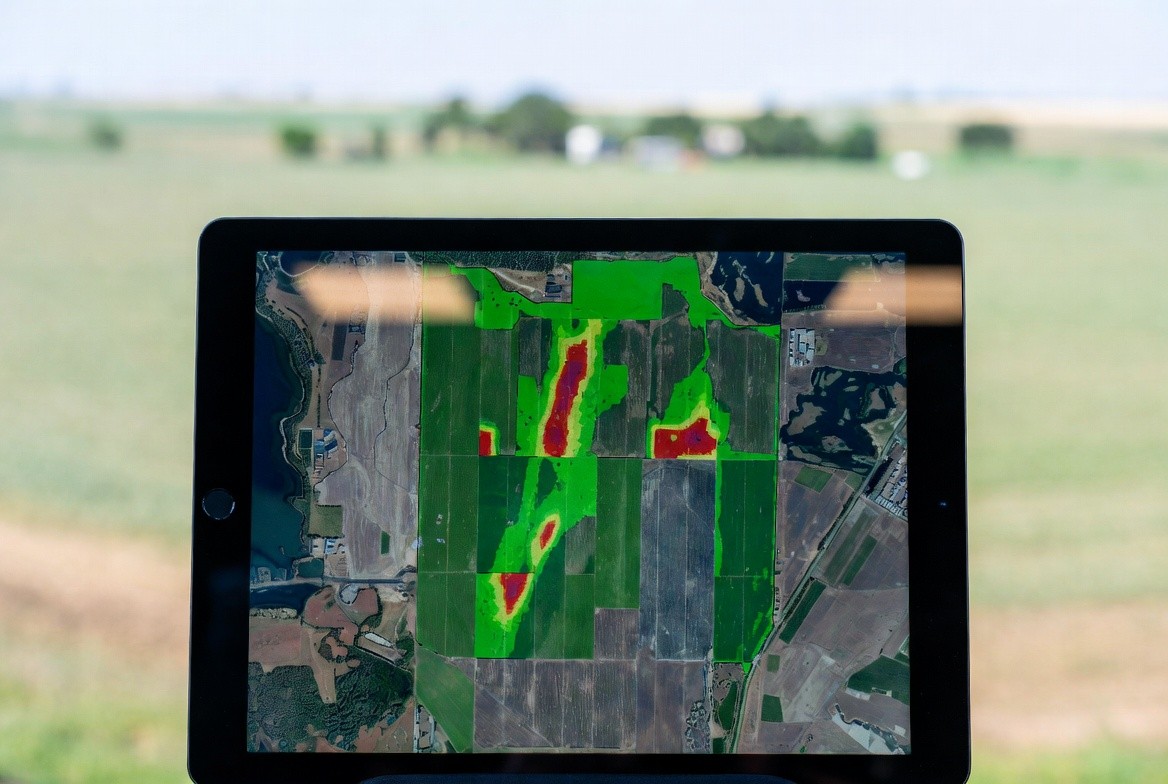
Site-specific herbicide application reduces total chemical load on the field, slowing the development of resistant populations in low-pressure zones. By mapping where resistant species are concentrated, you can target those areas with alternate chemistries while preserving your primary herbicide program where it still works.

Resistant weeds add $4 to $12 per acre in management costs. Precision application is one of the most effective strategies to slow resistance and protect your chemistry.
- USDA / WSSA Data
Sources
USDA Economic Research Service. Weed Science Society of America. Kansas State University Extension weed resistance surveys.